Marketing for Local Producers: How to Win Customers in Your Region
• Friday, 12th June 2026 • Marketing lokalny •
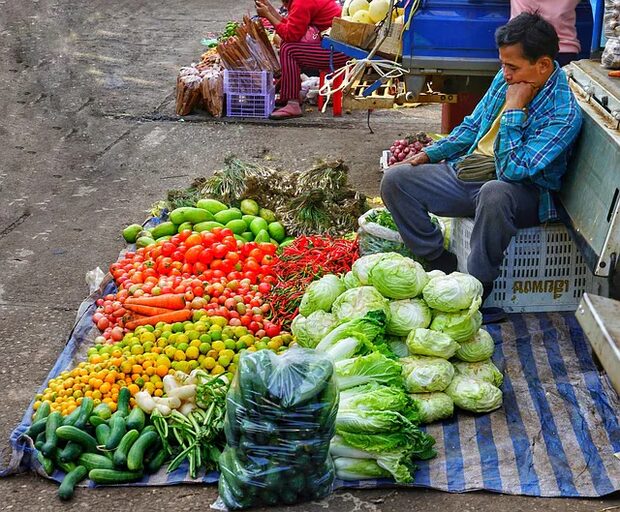
In Poland the number of local producers grows year after year — from small egg farmers to large processing plants. They all have something the retail chains cannot copy: authenticity, local roots and the ability to deal directly with the customer. The problem is that producing well is not enough — someone has to know you exist.
In this article we focus on specific marketing activities for producers that do not require a large budget but will help you build visibility in your region, win your first customers and keep them engaged throughout the season.
Why is it worth it for local producers to invest in regional marketing?
Customers in Poland increasingly choose local products — for various reasons: freshness, support for the domestic economy, trust in a person they know. According to food industry research, more than 60 percent of consumers decide to buy a local product if they can see its story and where it was made. For a producer this means that investing in local storytelling translates directly into sales.
In addition, in a business model without intermediaries the margin is higher — the money saved can go towards better packaging, transport or marketing activities that strengthen your position in the region.

Three pillars of a local producer’s visibility
1. Collaboration with other local businesses
A region is an ecosystem — of restaurants, grocery shops, homeware shops and service providers. Joint activities benefit both sides. Examples:
- Joint workshops at your farm — e.g. a beekeeper invites people to a honey tasting, and you to a tasting of cheeses or preserves
- A bundle of products from two local producers — e.g. honey with a jar of homemade jam
- A shared stand at breakfast markets or local fairs — lower costs, greater visibility
2. Taking part in regional events and markets
Farmers’ markets, fairs, village festivals and parish celebrations are places where customers do not just look but also buy. It is important to prepare thoroughly:
- A simple, clear stand with information about where the products come from
- Opportunities to taste — flavour convinces better than long descriptions
- Contact details for the customer in the form of a business card or a card telling the producer’s story
- The option to pay by card and mobile — even at a small stand
3. Content that sells the story
Today’s customer wants to know who is behind the product. Posts, videos and descriptions should show:
- Everyday work — the morning egg collection, the honey harvest season, making jam
- Consistency in quality — why you do not shorten processes and why you do not use preservatives
- Customer relationships — stories in which a customer says why they chose your product

How to measure results without wasting money?
The most important indicators for a local producer are not complicated. It is worth monitoring:
- The number of customers who tell you how they found you — ask every day where they heard about you
- Repeat purchases — a returning customer is worth far more to you than a one-off customer
- Participation in regional events — every event is a chance to collect business cards and build a database
You do not need to run advanced campaigns or invest in expensive tools. Consistency and attention to what works in your region are enough.
Summary
Marketing for local producers is not something separate from production — it is a natural extension of your work on quality. If you have a good product, tell people in your region about it. Join forces with other local businesses, be visible at events and tell your story in simple content. In time, customers will start choosing you — not because you have the cheapest product, but because they trust it.